Honey comes in wide varieties, and each one can have its own flavor, aroma, color, and texture. Although all honey is made by bees, the final product depends greatly on the flowers from which the bees collect nectar. The climate, geographical location, harvesting process, and storage conditions can also influence its characteristics.
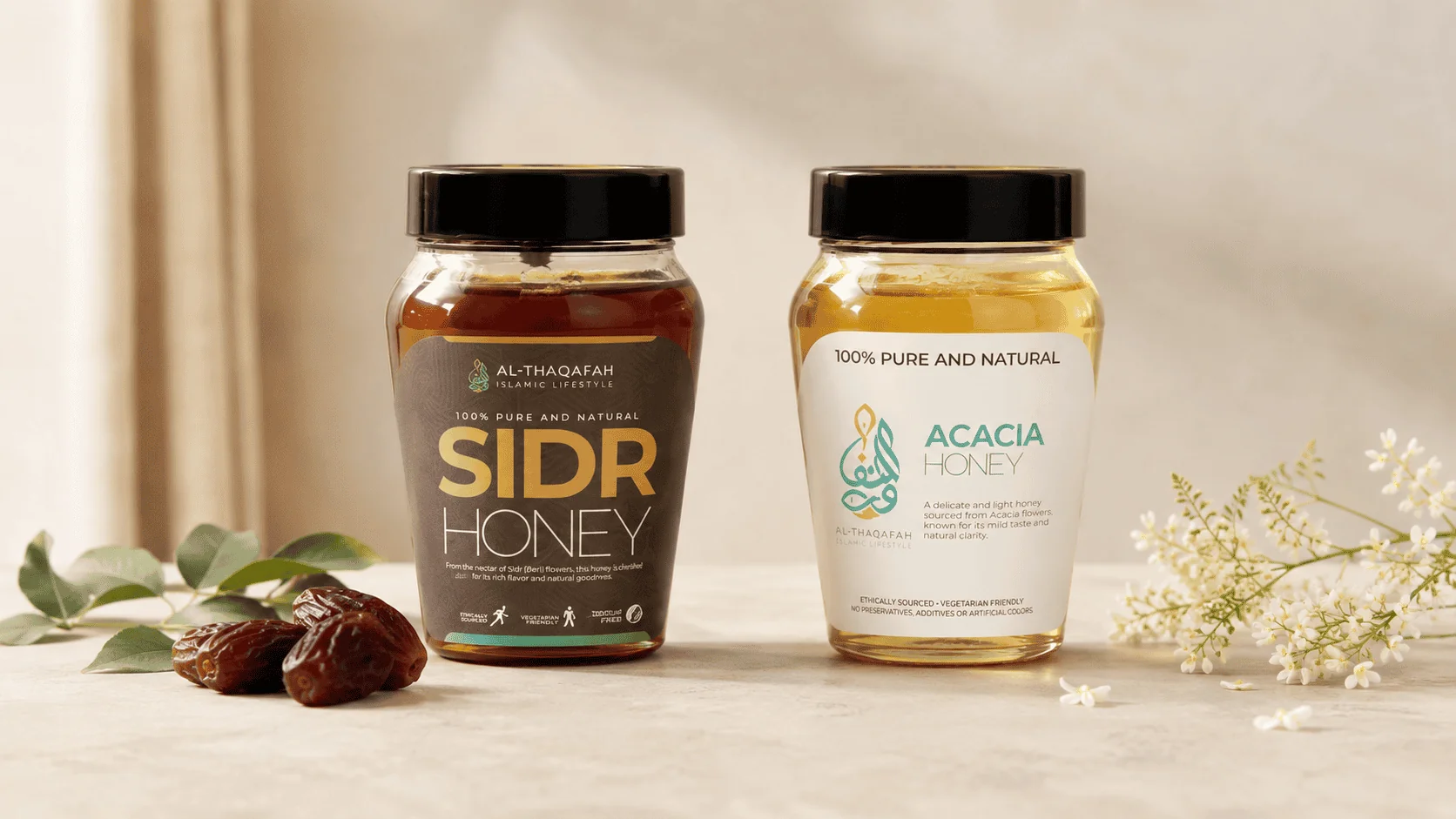
Among the wide varieties available today, Sidr honey has a particularly distinctive reputation. It is produced mainly from the nectar of Sidr trees and is especially associated with regions of the Middle East and parts of South Asia. Its rich taste, distinctive aroma, and traditional significance have made it popular among those who appreciate specialty honey.
But how is Sidr honey different from ordinary honey? Is it simply another type of honey, or does it offer a genuinely different experience? The answer becomes clearer when we look at its floral source, taste, appearance, texture, origin, and production.
What Is Sidr Honey?
Sidr honey is honey produced by bees that forage on the flowers of Sidr trees. The botanical name commonly associated with the Sidr tree is Ziziphus spina-christi, although other Ziziphus species are also associated with honey marketed as Sidr in different regions. Research on commercially available Sidr honey has found that its pollen composition varies by geographical origin.
The term “Sidr honey” therefore refers primarily to the botanical source associated with the honey. When bees collect a large proportion of nectar from Sidr blossoms during the flowering season, the resulting honey can develop a recognizable sensory profile.
This is similar to other floral varieties. For example, acacia honey is associated with acacia flowers, while clover honey comes mainly from clover. Wildflower honey is different because it may contain nectar from many plants growing in the same area.
What Gives Sidr Honey Its Distinctive Taste?
Taste is one of the first differences people notice when comparing Sidr honey with lighter varieties. Sidr honey is often described as rich, full-bodied, and intensely sweet. Depending on its geographical origin and harvest, it may have warm, floral, fruity, or caramel-like notes.
The exact taste is not identical in every jar. Natural honey is influenced by the plants available to bees, local weather, soil conditions, and the time of harvest. Scientific research confirms that floral origin can affect the taste, aroma, color, and other physical characteristics of honey.
This makes Sidr honey appealing to people who prefer a stronger honey flavor. Someone who usually enjoys mild, delicate honey may find its taste more pronounced, while those who prefer rich flavors may appreciate its depth.
Sidr Honey Compared With Acacia Honey
Acacia honey is known for its light color and delicate flavor. It is often chosen by people who want a gentle sweetness that does not overpower other ingredients.
Sidr honey generally offers a stronger flavor. Its darker appearance and richer taste can make it more noticeable when eaten on its own or added to food.
Neither variety is automatically better. They provide different experiences. Acacia honey may be a better choice for tea, yogurt, or recipes where a mild sweetness is preferred. Sidr honey may be more suitable for people who want the honey itself to provide a strong, distinctive flavor.
Sidr Honey Compared With Wildflower Honey
Wildflower honey comes from nectar collected from several different types of flowers. Because the available flowers vary by region and season, wildflower honey does not have a single fixed flavor profile.
One harvest may taste light and floral, while another may have a darker and stronger character. This natural variation is part of what makes wildflower honey interesting.
Sidr honey has a more specific botanical identity. It is associated with the Sidr tree, so consumers looking for honey linked to a specific plant source may find it more appealing.
However, the label alone should not be treated as absolute proof of floral purity. Studies of Sidr honey from different regions have found pollen from Sidr and other plants, indicating that geographical and environmental differences can affect the final product.
Sidr Honey Compared With Clover Honey
Clover honey is one of the most familiar types of honey. It generally has a mild, balanced sweetness and works well as an everyday sweetener.
It can be added to tea, spread on toast, mixed into oatmeal, or used in baking. Sidr honey can be used in the same ways, but its stronger flavor may be more noticeable.
For everyday cooking, many people may prefer a mild honey such as clover honey. For a more distinctive tasting experience, Sidr honey can be a more interesting option.
The choice ultimately depends on personal taste rather than a simple ranking of one variety above another.
Color and Appearance
Honey can range in color from almost transparent to dark brown. Its appearance is influenced by the botanical source, geographical origin, storage conditions, and other factors.
Sidr honey is commonly found in golden amber to darker amber shades. Its rich appearance is one of the characteristics that set it apart from very light varieties, such as some acacia honeys.
However, color should not be used by itself to determine whether honey is genuine or high quality. Two authentic batches of honey can have different shades because they were produced in different locations or under different conditions.
A darker color does not automatically mean better quality, just as a lighter color does not mean that honey is inferior.
Texture and Crystallization
The texture of Sidr honey can also vary. Fresh honey may be thick and smooth, while its consistency can change during storage.
Crystallization is a natural process in which some of the sugars in honey form crystals. It does not necessarily mean that the honey has spoiled. Different honey varieties crystallize at different rates because their sugar composition and other characteristics vary.
Some people prefer liquid honey, while others enjoy the thicker texture of crystallized honey. If Sidr honey crystallizes, it can usually be returned to a softer consistency through gentle warming.
Why the Origin of Sidr Honey Matters
The geographical origin of honey can have a major effect on its characteristics. Climate, soil, rainfall, surrounding vegetation, and flowering periods all influence the nectar available to bees.
This is particularly relevant to Sidr honey because Sidr trees grow in different environments, and honey from one region may not taste exactly like honey from another.
For this reason, consumers should look for clear information about the honey’s origin. Reliable labeling can help buyers understand where the product came from and how it was produced.
The price of honey alone is not enough to establish its authenticity. A premium price does not automatically guarantee that a product is genuine. Transparent sourcing and reliable sellers are more useful when choosing specialty honey.
Is Sidr Honey Healthier Than Other Honey?
Honey is often discussed for its traditional uses and potential nutritional properties. However, it is important to be careful with health claims.
Sidr honey is still honey, so it is primarily a source of natural sugars and should be consumed in moderation. Recent scientific reviews have identified various compounds in Sidr honey and have investigated its potential biological properties, but these findings should not be interpreted as proof that Sidr honey can treat or cure diseases.
The main reason to choose Sidr honey is its distinctive taste and the experience of enjoying a specialty natural food.
How to Enjoy Sidr Honey
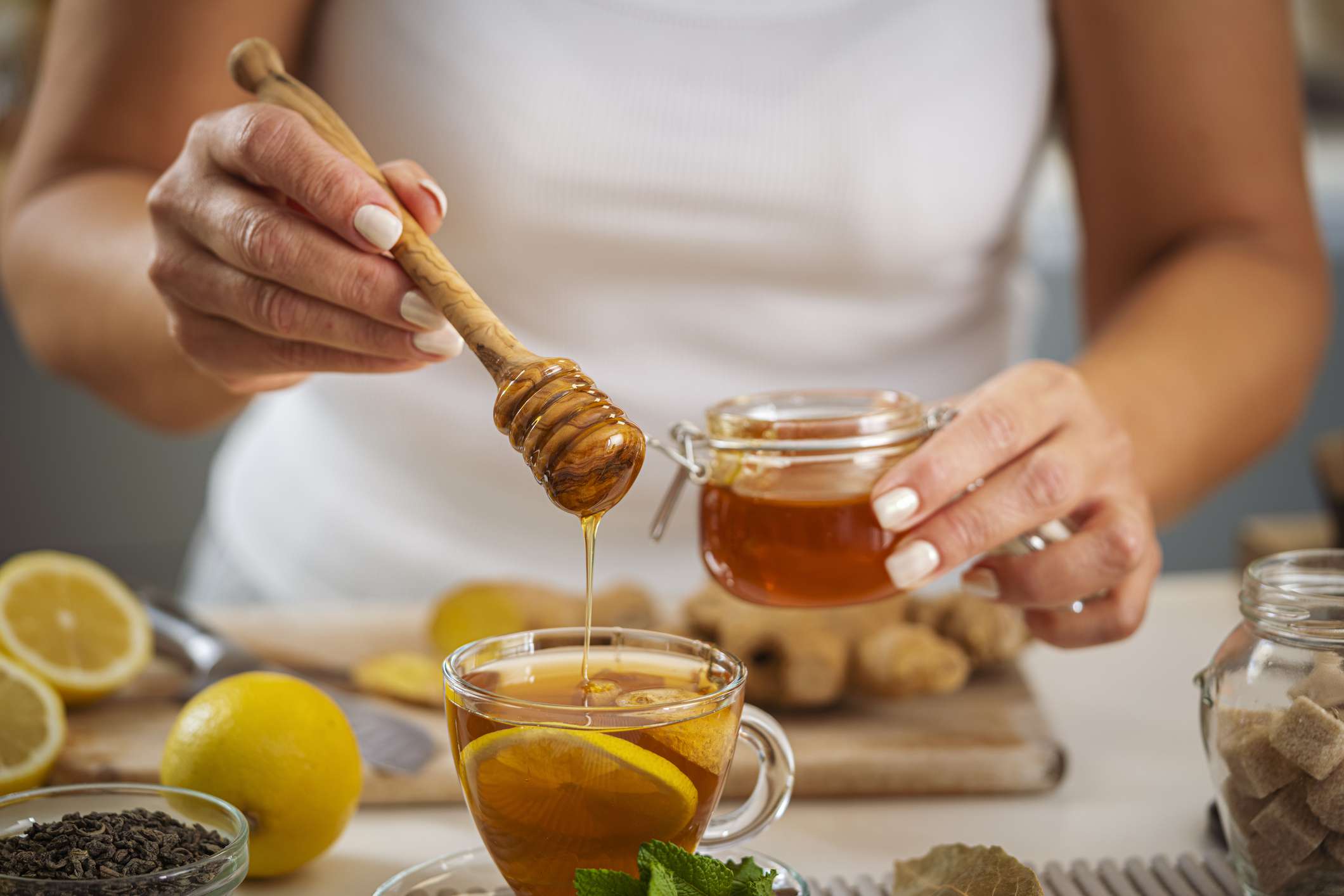
Sidr honey can be enjoyed in many simple ways. Eating it directly lets you appreciate its natural flavor and aroma without other ingredients competing for attention.
It can also be spread on toast, added to yogurt, mixed with oatmeal, or used as a sweetener in drinks. It pairs well with nuts, fresh fruit, and certain types of cheese.
Sidr honey can also be used in desserts and homemade sauces. Because its flavor can be quite noticeable, a small amount may be enough to add both sweetness and character to a recipe.
How to Store Sidr Honey
Proper storage helps maintain the quality of honey. Sidr honey should be kept in a clean, tightly sealed container and stored in a cool, dry place away from direct sunlight.
Refrigeration is generally unnecessary. Cold temperatures can encourage crystallization and make honey more difficult to use.
If crystallization occurs, gently warming the honey can help restore a smoother consistency. Excessive heat should be avoided because high temperatures can affect some of honey’s natural characteristics.
What Really Makes Sidr Honey Different?
Sidr honey is not different from other honey because it comes from a completely separate process. Like all natural honey, it is produced by bees from plant nectar. What makes it distinctive is the combination of its botanical source, geographical origin, flavor, aroma, appearance, and cultural background.
Compared with acacia honey, Sidr honey generally has a stronger, richer taste. Compared with wildflower honey, it has a more specific botanical identity. Compared with clover honey, it offers a more pronounced flavor and a more distinctive specialty-honey experience.
At the same time, each batch of Sidr honey can vary slightly. Natural variation is part of what makes honey unique.
Final Thoughts
Sidr honey stands out because of its connection to the Sidr tree and the characteristics that develop from this floral source. Its rich flavor, distinctive aroma, amber color, and traditional reputation have made it one of the more interesting varieties for honey lovers.
However, choosing between Sidr honey and another variety ultimately comes down to personal preference. If you enjoy light and delicate sweetness, acacia honey may be more suitable. If you prefer variety, wildflower honey can offer a range of flavors. If you want a familiar everyday option, clover honey is a practical choice.
For those who want something richer and more distinctive, Sidr honey is certainly worth trying. Its unique combination of natural flavor, botanical origin, and regional character is what truly sets it apart from many other types of honey.