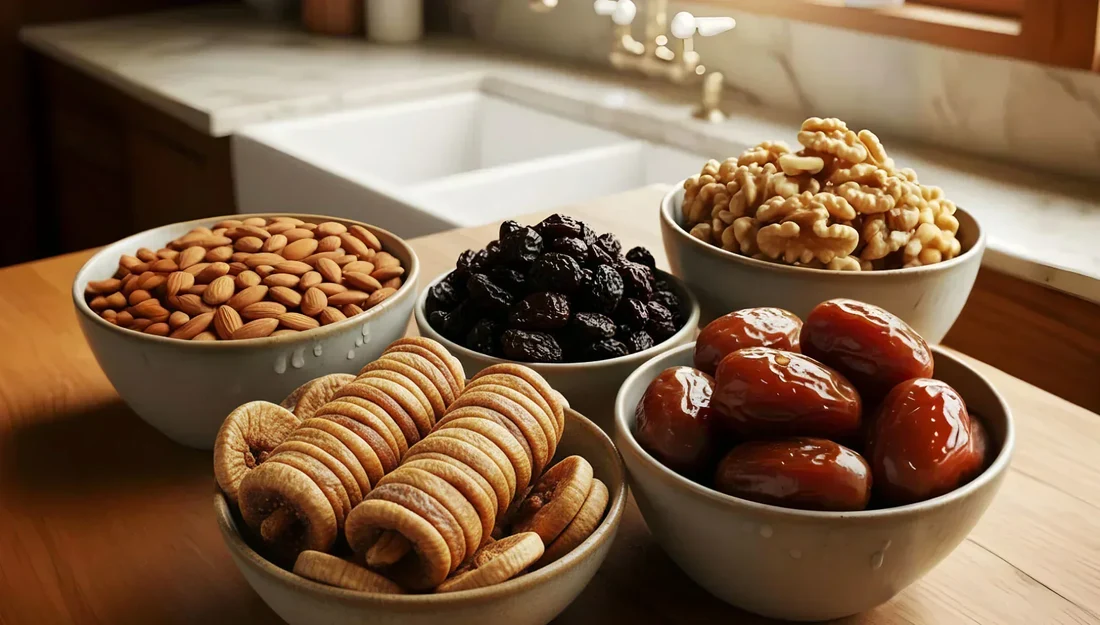
Dry fruits are convenient, nutritious, and easy to keep at home, but proper storage is essential if you want them to maintain their taste and quality. Almonds, walnuts, cashews, pistachios, raisins, dates, dried figs, and other dried foods can lose their freshness when exposed to heat, moisture, air, or direct sunlight.
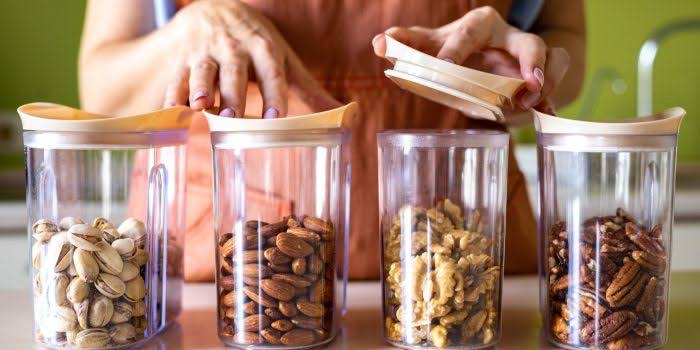
Many people buy dry fruits in large quantities because they are useful for everyday snacking and cooking. However, leaving them in unsuitable conditions can affect their texture and flavor. Nuts may develop an unpleasant stale taste, while dried fruits can become excessively hard, sticky, or vulnerable to moisture related spoilage.
The good news is that keeping dry fruits fresh does not require complicated equipment. With suitable containers, appropriate temperatures, and a few simple habits, you can extend their quality and reduce unnecessary food waste.
1. Choose the Right Container
The container you use can make a major difference in how long dry fruits remain fresh. Airtight glass jars, food grade plastic containers with secure lids, or high quality resealable bags can help limit exposure to air and moisture.
Avoid leaving an opened packet loosely folded in a kitchen cupboard. Air can enter easily, and the contents may absorb moisture and odors from nearby foods.
A container with a tight seal is particularly useful for nuts because exposure to oxygen over time can contribute to loss of freshness.
2. Keep Dry Fruits Away From Moisture
Moisture is one of the biggest concerns when storing dried foods. Excess humidity can change their texture and create conditions that encourage spoilage.
Always make sure your storage container is completely dry before filling it. If you use a spoon or measuring cup, ensure that it is clean and dry as well.
Do not store dry fruits near a sink, kettle, dishwasher, or another location where they may regularly encounter steam or water.
A cool and dry cupboard can be suitable for short term storage, provided the area is not exposed to excessive heat or humidity.
3. Protect Them From Direct Sunlight
Sunlight and heat can negatively affect the quality of many foods. Dry fruits are best kept in a dark or shaded location rather than on a kitchen counter exposed to strong sunlight.
A closed pantry or cupboard is often a better choice. Keeping the container away from windows and other heat sources can help preserve flavor and texture.
This is especially useful during hot weather when indoor temperatures can rise considerably.
4. Refrigerate Nuts for Longer Storage
Some nuts contain significant amounts of natural oil, which means they can become rancid when stored for extended periods under warm conditions.
Refrigeration can be useful when you have a large quantity of almonds, walnuts, cashews, pistachios, or similar nuts that you do not expect to consume quickly.
Place them in an airtight container before putting them in the refrigerator. This helps protect them from moisture and prevents them from absorbing strong odors from other foods.
Walnuts can be particularly sensitive to warm storage because of their higher fat content, so keeping them cool can be a practical option for longer storage.
5. Freezing Can Help With Long Term Storage
If you purchase dry fruits in bulk, freezing may help preserve their quality for a longer period. Nuts generally tolerate freezing well when packed properly.
Divide a large quantity into smaller airtight portions before freezing. This allows you to remove only the amount you need instead of repeatedly opening and closing one large package.
Before storing anything in the freezer, make sure the packaging protects the food from moisture and freezer odors.
When you need the nuts, allow the required portion to return to a suitable temperature before opening the container. This can help reduce condensation.
6. Store Dried Fruits Separately From Strong Odors
Dried fruits and nuts can absorb surrounding odors, particularly when their containers are not properly sealed.
For this reason, avoid storing them next to strongly scented ingredients such as spices, onions, garlic, or certain cheeses.
Using separate airtight containers can help preserve the original aroma and flavor of your dry fruits.
It is also useful to label containers clearly, especially when you keep several varieties at home.
7. Buy Smaller Quantities When Possible
Buying in bulk may seem economical, but it is not always the best option if you cannot consume the product before its quality begins to decline.
If you eat dry fruits regularly, purchasing an amount that fits your normal consumption can make storage easier.
For occasional use, smaller packages may be more practical. This reduces the time the product spends exposed to air after opening.
If you do buy larger quantities, divide them into smaller sealed containers rather than keeping everything in one frequently opened jar.
8. Check the Packaging Before Buying
Good storage begins at the time of purchase. Before buying packaged dry fruits, examine the packaging for signs of damage.
Avoid packets that appear torn, punctured, unusually swollen, or improperly sealed. If buying from a store where products are sold in bulk, choose a clean and reputable source with good food handling practices.
It is also useful to check the best before date and storage instructions provided by the manufacturer.
Once you open the package at home, transfer the contents to a suitable airtight container if the original packaging does not provide adequate protection.
9. Keep Different Varieties in Separate Containers
It may be tempting to put all your dry fruits into one large jar, but separate storage is usually more practical.
Different nuts and dried fruits have different textures, moisture levels, and storage characteristics. Mixing them can also make it harder to identify which item is losing quality.
Separate containers allow you to monitor each variety and use the oldest products first.
You can create a simple kitchen system with individual containers for almonds, cashews, walnuts, pistachios, raisins, and other dried fruits.
10. Use the First In, First Out Method
A simple way to prevent food from sitting unused is to consume older packages before opening newer ones.
When you buy a new batch, place it behind the older container. This encourages you to finish the earlier stock first.
Labeling containers with the purchase or opening date can make this method even easier.
You do not need a complicated system. A small sticker with the date can help you remember how long a package has been stored.
11. Watch for Signs of Spoilage
Proper storage can protect dry fruits, but it is still important to inspect them before eating.
Signs of poor quality may include an unusual smell, visible mold, unexpected moisture, significant discoloration, or a distinctly unpleasant taste.
Nuts that have developed a strong paint like, bitter, or stale odor may have gone rancid. Dried fruits that become unusually wet or show visible mold should not be consumed.
When you are uncertain about the safety or quality of a food, it is better to discard it rather than take a risk.
12. Be Careful During Hot Weather
Warm temperatures can accelerate the deterioration of foods containing natural fats. This can be particularly relevant for nuts during summer.
If your kitchen becomes very warm, consider moving your dry fruits to a cooler storage location. Refrigeration can be especially helpful for products that will not be consumed quickly.
Avoid storing them in areas near ovens, stoves, radiators, or other appliances that produce heat.
A stable temperature is generally preferable to repeated exposure to hot and cool conditions.
13. Store Opened Packages Quickly
Once a package is opened, its contents are exposed to air and the surrounding environment. Instead of leaving the packet open for days, transfer the dry fruits to a sealed container soon after opening.
This is particularly helpful for nuts because their natural oils can gradually react with oxygen and affect their flavor.
For dried fruits, a sealed container can help prevent them from absorbing humidity and becoming excessively soft or sticky.
14. Keep Your Storage Area Clean
The condition of your pantry or cupboard also matters. Regularly clean shelves and remove old or forgotten food items.
A clean storage area reduces the chance of insects and other contamination reaching your food.
Containers should also be washed and dried thoroughly before being reused. Never place a fresh batch of dry fruits into a container that still contains crumbs or residue from an older batch.
15. Do Not Rely Only on Appearance
Some dry fruits can look perfectly normal while their flavor and quality have already changed. This is why smell, texture, and storage history are useful indicators.
If nuts smell noticeably different from when you purchased them, inspect them carefully before eating. Likewise, dried fruits that have developed unexpected moisture or a fermented smell should be treated with caution.
Good storage habits reduce these problems, but regular inspection remains important.
Best Storage Method for Different Dry Fruits
Different varieties can benefit from slightly different approaches.
Almonds and cashews can often be kept in airtight containers in a cool, dry place for shorter periods. For longer storage, refrigeration or freezing can be useful.
Walnuts may benefit from cooler storage because of their relatively high oil content.
Raisins, dates, and dried figs should be protected from excess moisture and stored in sealed containers. If your home is particularly warm or humid, refrigeration can be a practical choice.
Always follow any specific storage instructions printed on the product packaging.
Final Thoughts
Proper storage can make a noticeable difference in the quality and enjoyment of dry fruits. The most important habits are simple. Keep them sealed, protect them from heat and moisture, avoid direct sunlight, and use refrigeration or freezing when longer storage is needed.
Buying reasonable quantities, keeping varieties in separate containers, and checking them regularly can also reduce food waste.
With a little organization, almonds, walnuts, cashews, raisins, dates, figs, and other dry fruits can remain convenient and enjoyable for much longer. Good storage is not only about extending freshness. It also helps preserve flavor, texture, and the overall quality of the food you have purchased.