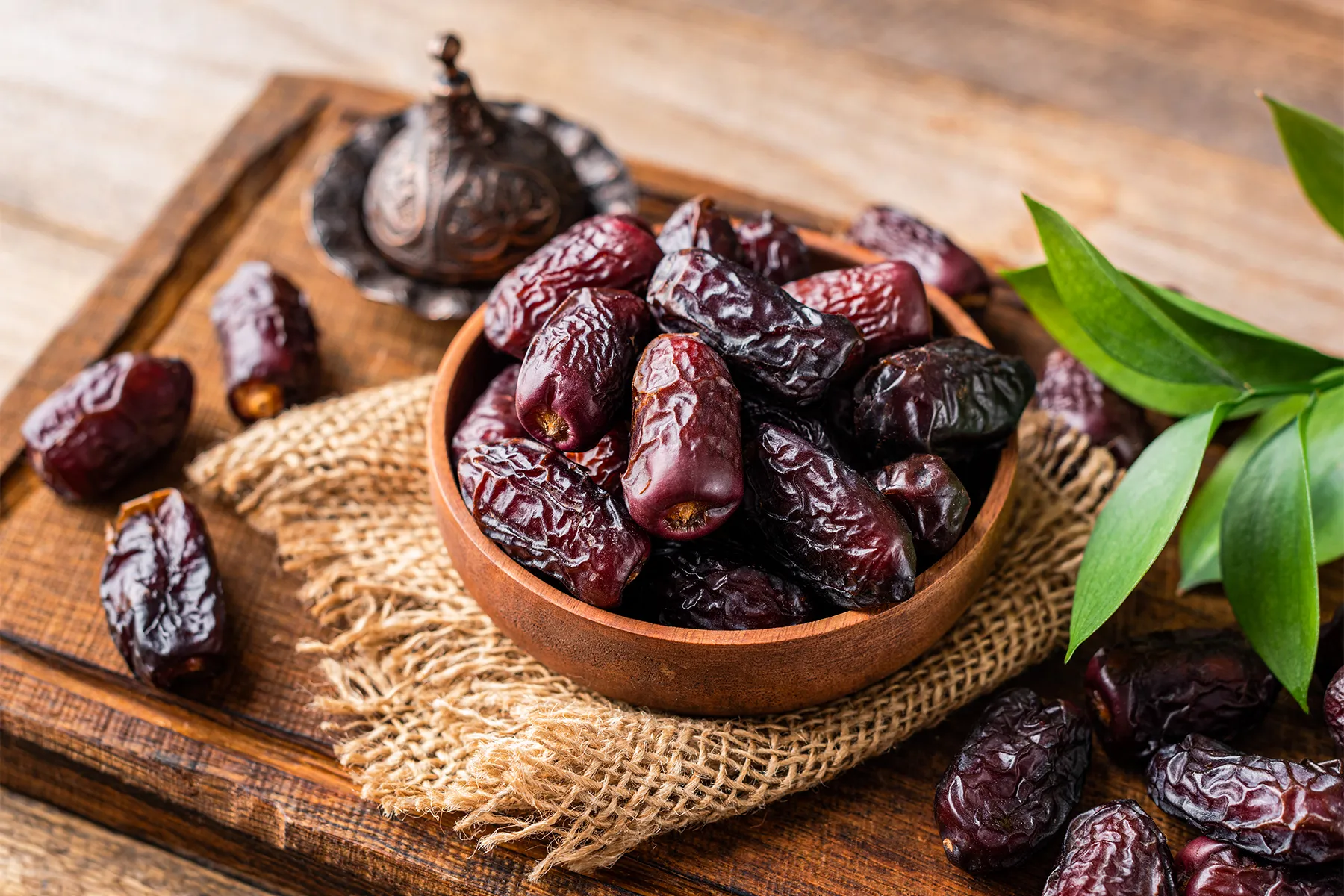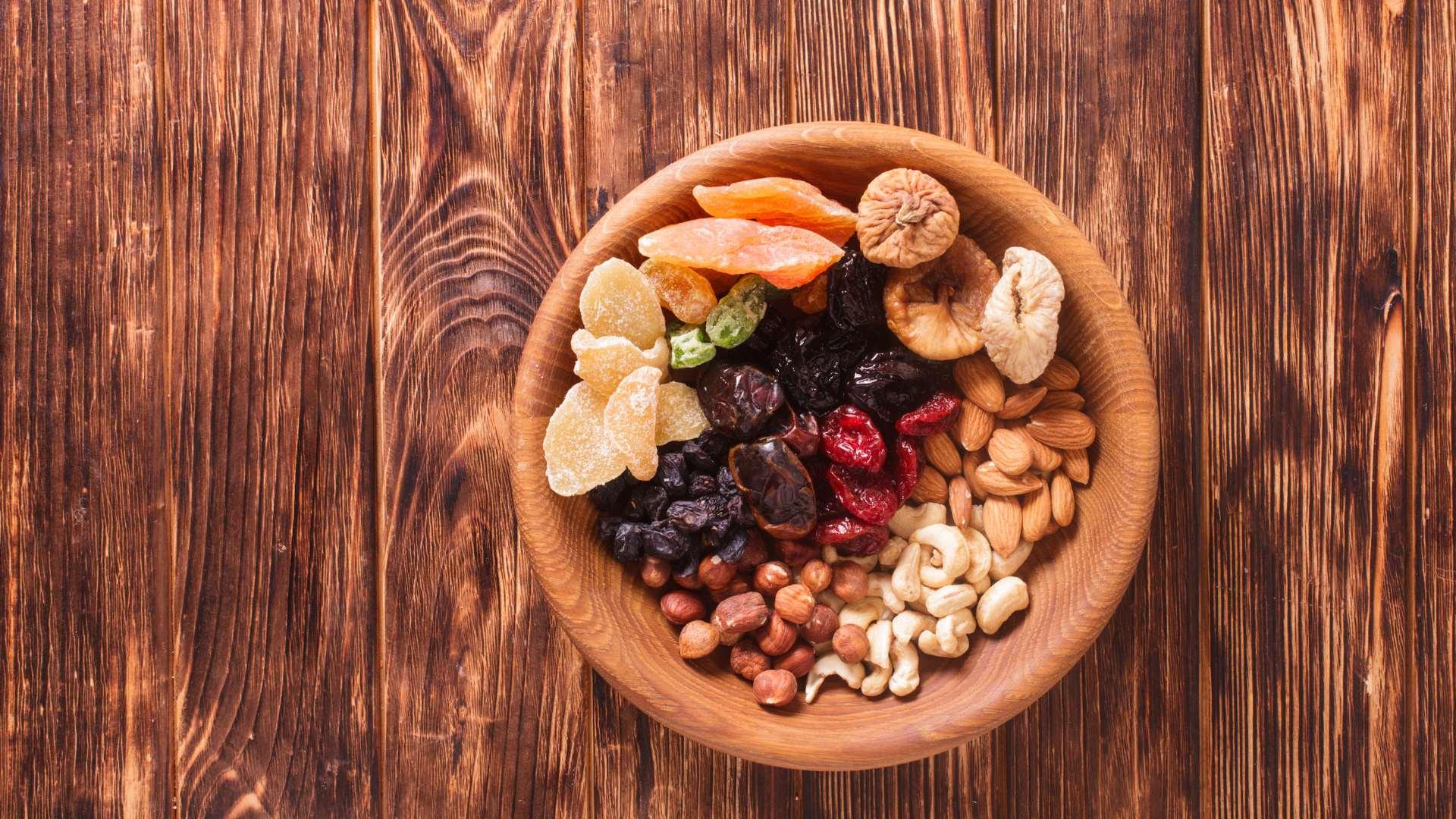
Dry fruits are among the simplest foods that can add valuable nutrients to a daily diet. Almonds, walnuts, cashews, pistachios, raisins, dates, figs, and other dried fruits are packed with different vitamins, minerals, healthy fats, fiber, and natural compounds. Because they are easy to store and carry, dry fruits can be a convenient snack for busy people.

Eating a moderate amount of dry fruits every day may support overall health in several ways. They can provide lasting energy, contribute to heart health, help maintain healthy digestion, and supply important nutrients that the body needs. However, because dried fruits are often more concentrated in calories and natural sugars than their fresh forms, portion size is important.
Here are ten useful benefits that may come from making dry fruits part of a balanced eating routine.
1. They Provide a Quick Source of Energy
Dry fruits can be an excellent choice when you need energy during a busy day. Their natural carbohydrates provide fuel for everyday activities, while nuts such as almonds and walnuts also contain healthy fats and some protein. This combination can make a small serving more satisfying than many highly processed snacks.
People who have active lifestyles may find dry fruits especially convenient before a walk, workout, or demanding task. A handful of nuts with a few dried fruits can offer a simple snack without requiring cooking or preparation.
2. They Support Heart Health
Many nuts contain unsaturated fats that can fit well into a heart friendly diet. Almonds, walnuts, pistachios, and other nuts also provide fiber and various plant compounds. Walnuts are particularly known for containing alpha linolenic acid, a plant based omega 3 fatty acid.
Replacing some less nutritious snack foods with a moderate serving of nuts may be a useful dietary habit. A healthy overall eating pattern, regular physical activity, and appropriate portion sizes are still important for maintaining cardiovascular health.
3. They Can Help Improve Digestion
Fiber plays an important role in normal digestion, and several dry fruits contain a useful amount of it. Dried figs, raisins, prunes, almonds, and other varieties can contribute fiber to the daily diet.
Fiber helps add bulk to stool and supports regular bowel movements. It also serves as food for beneficial bacteria in the digestive system. People who are increasing their fiber intake should also drink enough water because fluids help fiber work effectively.
4. They Supply Important Vitamins and Minerals
Dry fruits can provide a variety of micronutrients. Almonds are a source of vitamin E and magnesium, while cashews provide minerals such as copper and magnesium. Dried apricots can contribute potassium, and raisins contain several minerals and plant compounds.
The exact nutritional value differs between varieties, so eating a mixture can provide a broader range of nutrients. Still, dry fruits should complement vegetables, fruits, whole grains, legumes, and other nutritious foods rather than replace them.
5. They May Support Healthy Weight Management
Although nuts and dried fruits are calorie dense, they can still have a place in a balanced weight management plan. Nuts contain protein, fat, and fiber, which can help people feel satisfied after eating.
The key is controlling portions. Eating large quantities directly from a packet can make it easy to consume more calories than intended. Measuring a small serving and enjoying it slowly can make dry fruits a more practical snack.
For weight management, unsweetened and minimally processed varieties are generally preferable to products coated with sugar, chocolate, or other high calorie ingredients.
6. They Can Help Maintain Strong Bones
Some dry fruits provide minerals that contribute to normal bone function. Almonds contain magnesium, while dried figs can provide calcium and other nutrients. Certain nuts also contain phosphorus, which is involved in maintaining bones and teeth.
Strong bones depend on many factors, including adequate nutrition, physical activity, vitamin D, and overall health. Adding nutrient rich foods such as nuts and dried fruits can therefore be one small part of a broader healthy lifestyle.
7. They May Support Brain Function
The brain requires a steady supply of nutrients to perform properly. Nuts provide healthy fats, protein, vitamin E, magnesium, and other compounds that are important for normal body functions.
Walnuts, almonds, and pistachios are often included in healthy eating patterns that emphasize plant foods and unsaturated fats. While no single food can guarantee better memory or concentration, replacing heavily processed snacks with nutrient rich options may support overall nutritional quality.
A balanced diet, sufficient sleep, regular movement, and good hydration are equally important for maintaining mental performance.
8. They Can Help Strengthen the Daily Diet
One of the biggest advantages of dry fruits is their versatility. They can be eaten alone or added to oatmeal, yogurt, smoothies, salads, cereals, and homemade snacks. This makes it easier to include nutrient rich ingredients in everyday meals.
For example, chopped almonds can add crunch to breakfast, while raisins can provide natural sweetness to oatmeal. Walnuts can be mixed into yogurt, and chopped dates can be used in homemade energy bites.
Because dry fruits require little preparation, they can also be useful for people who often rely on convenient packaged snacks.
9. They Offer Antioxidant Compounds
Several nuts and dried fruits contain naturally occurring antioxidants and other plant compounds. These substances help protect cells from oxidative stress that occurs naturally in the body.
Different varieties contain different compounds, which is another reason to enjoy a diverse selection rather than eating only one type. The antioxidant content can also vary depending on processing and preparation.
Choosing plain nuts and dried fruits without unnecessary coatings or added ingredients can make it easier to keep the snack nutritionally balanced.
10. They Are Convenient for Everyday Snacking
Convenience is one of the most practical benefits of dry fruits. Unlike many fresh foods, nuts and properly stored dried fruits can be kept for relatively long periods. They do not require complicated preparation and can easily be carried to work, school, or while traveling.
Keeping a small portion available can help when hunger appears between meals. Instead of automatically choosing biscuits, sweets, or heavily processed snacks, you can have a simple combination of nuts and dried fruit.
This convenience can make healthy eating easier to maintain over time.
How Much Dry Fruit Should You Eat
Dry fruits are nutritious, but more is not always better. Nuts are relatively high in calories, while dried fruits have lost much of their water and therefore contain concentrated natural sugars and calories.
A small handful of nuts is commonly used as a practical serving, while dried fruits are best enjoyed in modest portions. Individual nutritional needs vary depending on age, activity level, health goals, and the rest of the diet.
It is also a good idea to check product labels. Some packaged dried fruits contain added sugar, syrups, salt, or other ingredients. Plain or unsweetened options are often a better everyday choice.
Best Time to Eat Dry Fruits
There is no single perfect time for everyone to eat dry fruits. Some people enjoy them with breakfast, while others prefer them as a snack between meals. They can also be useful before physical activity when a person needs a convenient source of energy.
Soaking certain nuts overnight is a common practice in many households, although it is not necessary for everyone. What matters more is the overall quality of the diet and consuming an appropriate quantity.
Final Thoughts
Eating dry fruits every day can be a simple way to add more nutrients to your diet. From supporting heart health and digestion to providing energy, minerals, healthy fats, fiber, and antioxidant compounds, these small foods can offer considerable nutritional value.
The best approach is to enjoy a variety of nuts and dried fruits in moderate portions. Choose products with little or no added sugar and salt, and combine them with other wholesome foods such as vegetables, fresh fruits, whole grains, beans, and lean sources of protein.
Dry fruits are not a magic solution for health, but when included as part of a balanced lifestyle, they can be a delicious and convenient addition to everyday meals.