Medjool dates are one of the most recognizable varieties of dates, valued for their large size, soft texture, and naturally rich sweetness. They have become popular far beyond the regions where date palms are traditionally grown and are now commonly found in supermarkets, specialty food stores, and online markets around the world.
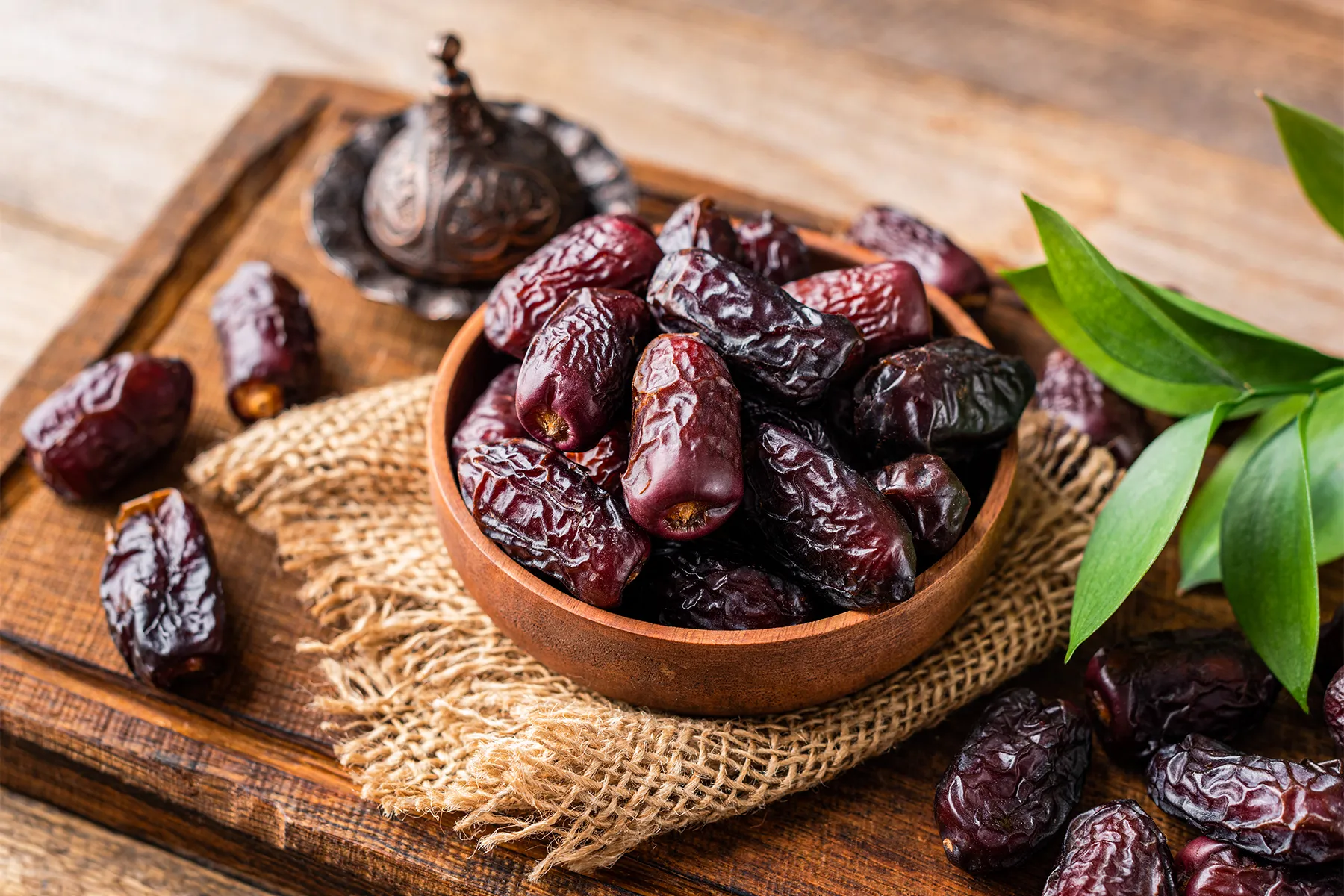
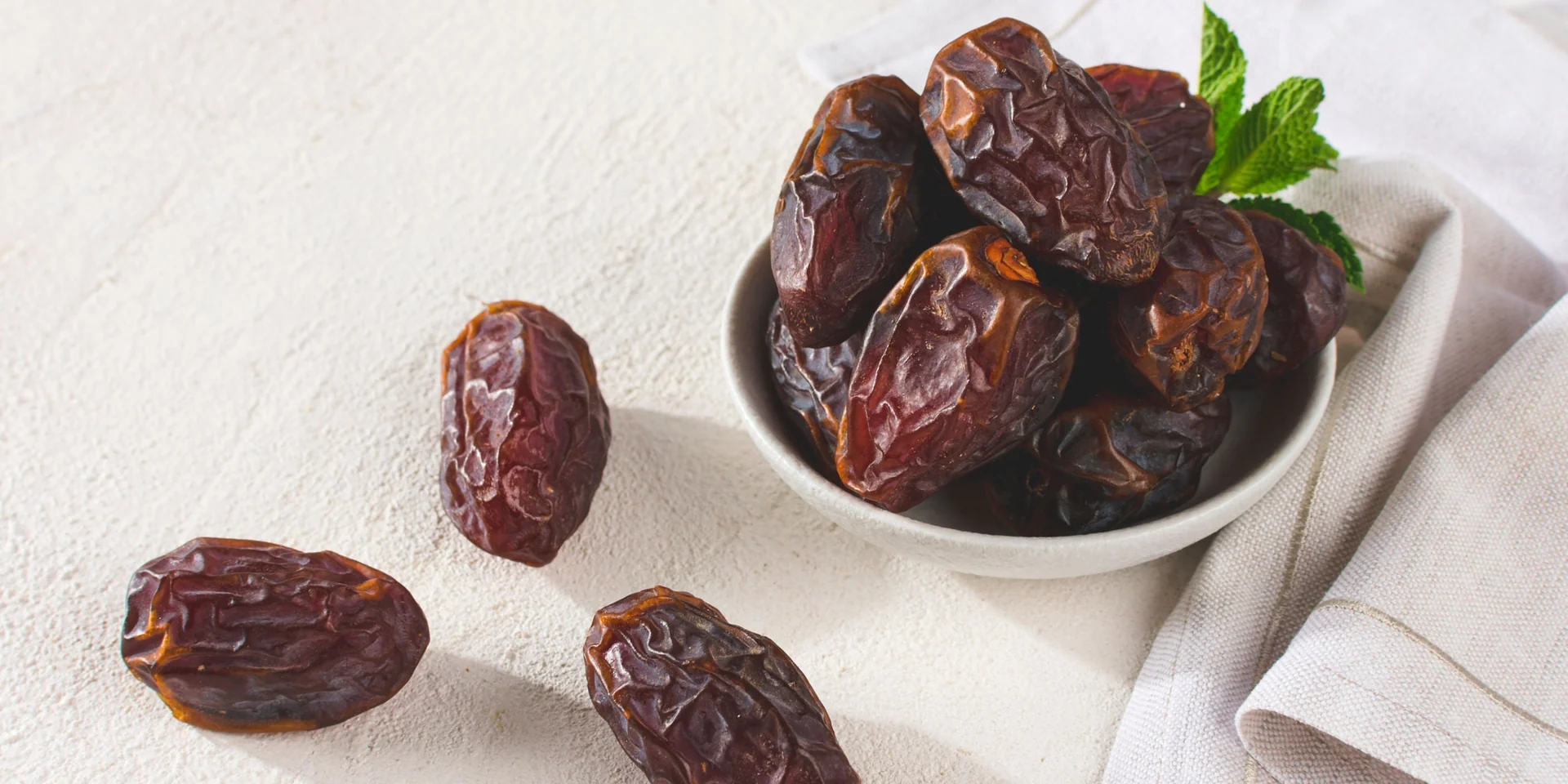
Unlike smaller and firmer date varieties, Medjool dates often have a tender texture that makes them easy to eat and simple to use in recipes. Their deep brown color and wrinkled skin may look similar to other dates, but their size and soft consistency make them relatively easy to identify.
Beyond their sweet taste, Medjool dates contain carbohydrates, fiber, minerals, and naturally occurring plant compounds. They can be enjoyed as a convenient snack or incorporated into both sweet and savory dishes.
Understanding their flavor, nutritional qualities, and everyday uses can help you make better use of this versatile dried fruit.
What Do Medjool Dates Taste Like?
The flavor of a Medjool date is one of its biggest attractions. These dates have a naturally sweet taste that is often compared with caramel or toffee. Their flavor can become deeper as they mature, creating a rich and satisfying eating experience.
Texture also plays an important role. A good Medjool date is usually soft and chewy, with a moist interior that separates it from many firmer varieties.
The skin may have a slightly chewy feel, while the inside is tender and almost creamy. This combination makes Medjool dates enjoyable without any additional preparation.
Because they are naturally sweet, many people use them when they want a dessert like snack without reaching for highly processed sweets.
What Makes Medjool Dates Different?
Medjool dates are often larger than many other common date varieties. Their substantial size means that a single fruit can provide a satisfying amount of food compared with smaller dates.
Their softness is another defining feature. While some date varieties have a relatively dry or firm texture, Medjool dates are generally more tender.
They are also highly versatile. Their soft flesh can be easily chopped, mashed, stuffed, or blended, which makes them suitable for many different recipes.
These qualities have helped Medjool dates become popular among people looking for natural ingredients that can add sweetness and texture to homemade foods.
Nutritional Value of Medjool Dates
Medjool dates provide several nutrients, although the exact nutritional content depends on serving size and the individual product.
They are primarily a source of carbohydrates, including naturally occurring sugars. This makes them a convenient source of energy when eaten as part of a balanced diet.
They also contain dietary fiber, which contributes to normal digestive function. Fiber can help support regular bowel movements and can contribute to a feeling of fullness.
Medjool dates also provide minerals such as potassium, magnesium, and copper. These minerals perform important roles throughout the body.
Because dates are dried or semi dried fruits with relatively little water compared with fresh fruit, their natural sugars and calories are more concentrated. For this reason, portion size remains important.
A Convenient Source of Natural Sweetness
One of the most useful qualities of Medjool dates is their ability to add sweetness to recipes.
Instead of relying entirely on refined sugar, some people use blended or mashed dates in homemade foods. Their soft consistency allows them to mix easily into certain recipes.
Dates can be combined with oats, nuts, seeds, and other ingredients to create homemade snack bars or energy bites. They can also be blended into smoothies to provide sweetness and a thicker texture.
This does not mean that dates are sugar free. They naturally contain substantial amounts of sugar, so they should still be enjoyed in sensible quantities.
Medjool Dates as a Snack
Eating Medjool dates on their own is one of the simplest ways to enjoy them. Their sweetness and soft texture make them convenient when you want something quick between meals.
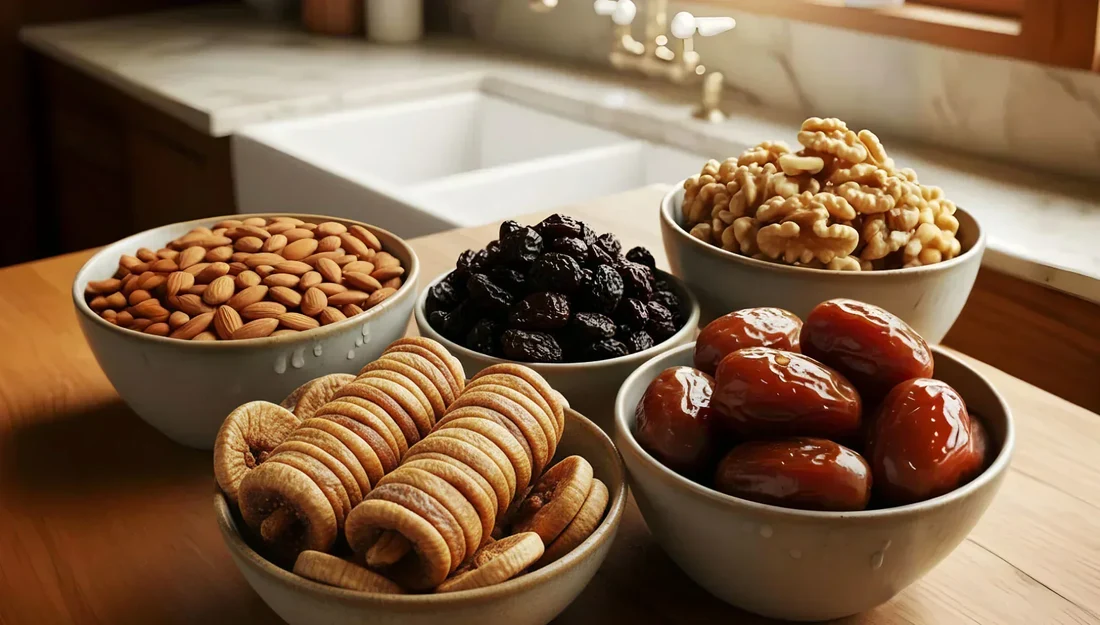
For a more balanced snack, dates can be paired with foods that provide protein and healthy fats. Almonds, walnuts, peanut butter, or other nuts can complement the sweetness of the fruit.
A date stuffed with nut butter can also make a satisfying snack. The combination of sweet and creamy flavors is particularly popular.
Medjool Dates in Breakfast Foods
Medjool dates can make breakfast more flavorful without requiring complicated preparation.
They can be chopped and added to oatmeal, porridge, cereal, or yogurt. Their natural sweetness may reduce the need for additional sweeteners.
They can also be blended into smoothies with milk or plant based beverages, bananas, oats, and other ingredients.
For homemade granola, chopped dates can provide chewy pieces that contrast nicely with crunchy nuts and seeds.
Using Medjool Dates in Desserts
The soft texture of Medjool dates makes them particularly useful in homemade desserts.
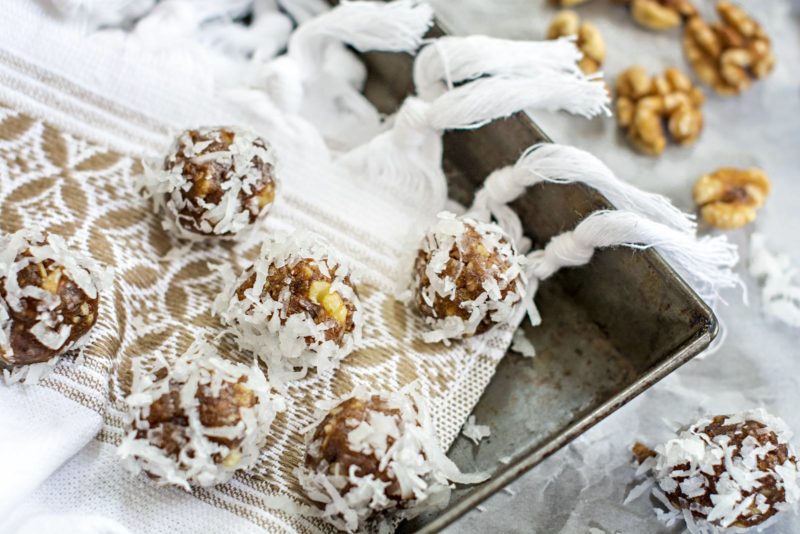
They can be blended into mixtures for no bake bars, date based truffles, or energy bites. Their sticky texture can help hold ingredients together without requiring complicated techniques.
Dates can also be paired with cocoa, coconut, nuts, or spices to create dessert style snacks.
Although these recipes may contain more nutritious ingredients than some conventional desserts, the finished food can still be calorie dense. Enjoying appropriate portions is therefore important.
Medjool Dates in Savory Meals
Dates are not limited to sweet recipes. Their natural sweetness can provide an interesting contrast in savory dishes.
Chopped Medjool dates can be added to salads containing leafy greens, nuts, cheese, or grains. They can also be combined with roasted vegetables or used in certain grain based dishes.
In some cuisines, dates are paired with meat, poultry, or aromatic spices to create a sweet and savory flavor combination.
Experimenting with small amounts can be a good way to discover how well their sweetness works with salty, spicy, and savory ingredients.
Medjool Dates With Nuts
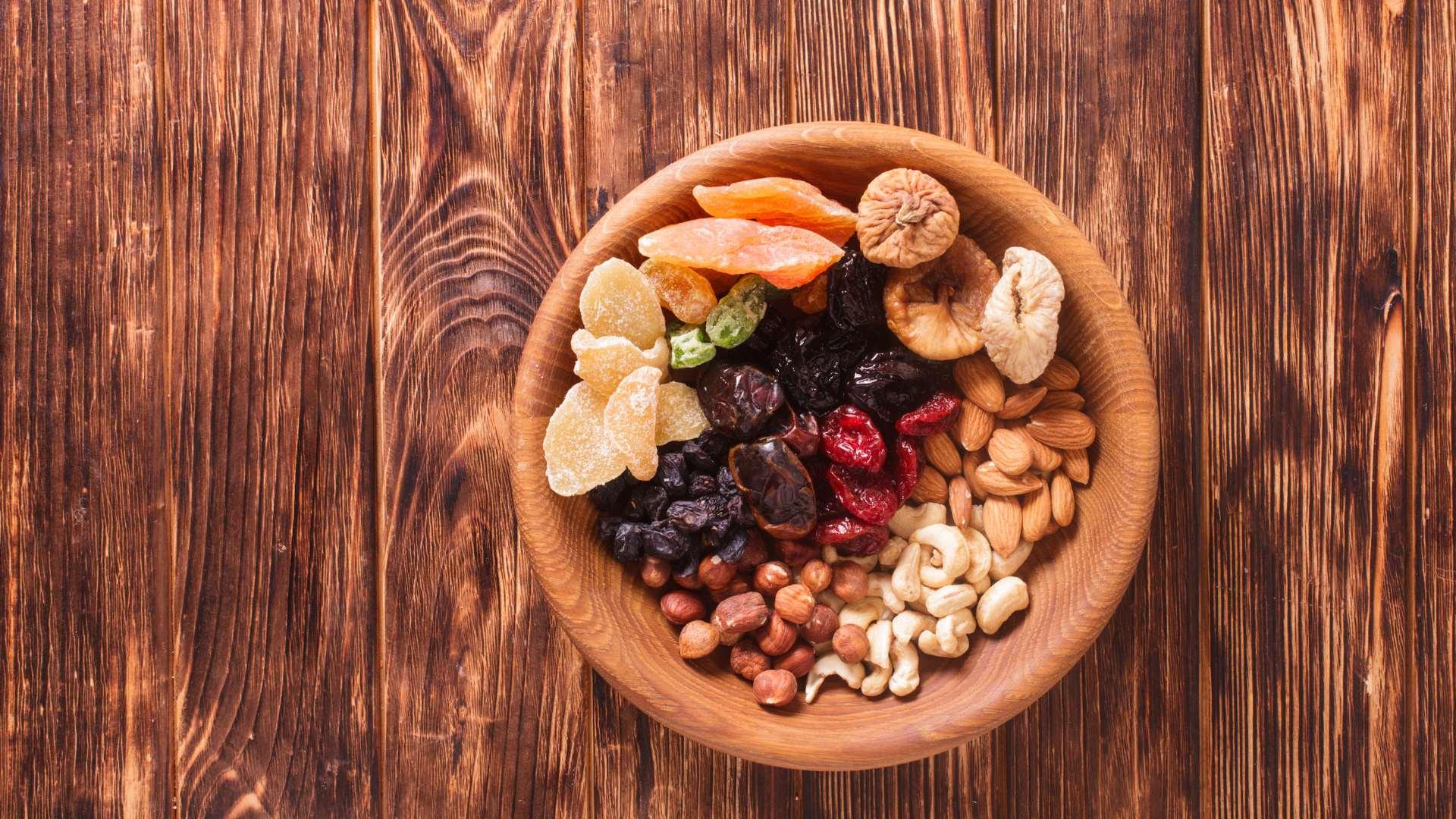
The combination of dates and nuts is popular for a good reason. Medjool dates provide carbohydrates and natural sweetness, while nuts contribute protein, fats, fiber, and various minerals.
You can simply eat a date alongside a few almonds or walnuts. Another option is to remove the pit and place a nut inside the date.
Nut butter can also be used as a filling. Almond butter and peanut butter are particularly popular choices.
This type of snack is easy to prepare and can be stored for convenient use during the day.
How to Store Medjool Dates
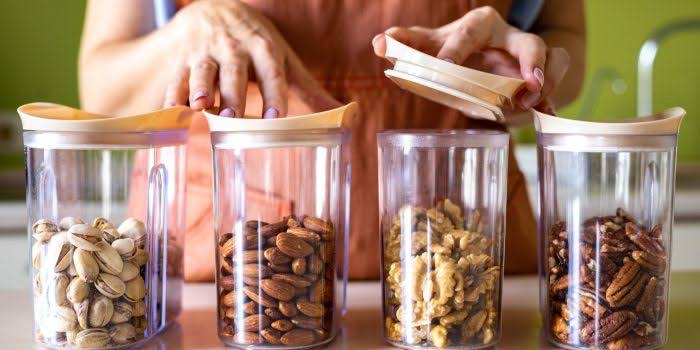
Proper storage can help maintain the quality of Medjool dates. Keep them in a clean, sealed container and protect them from excessive heat and moisture.
For short term storage, a cool and dry area may be suitable depending on the product and local conditions.
If you have a large quantity that you will not consume quickly, refrigeration can help maintain freshness for a longer period.
Always check the package instructions when purchasing commercially packed dates, as storage recommendations can vary.
How to Select Good Medjool Dates
When buying Medjool dates, look for fruit that appears clean and properly packaged. Their skin will naturally be wrinkled, so wrinkles alone are not a sign of poor quality.
A good date should have a pleasant smell and a texture appropriate for the variety. Excessive moisture, visible mold, unusual fermentation odors, or other unexpected changes can indicate spoilage.
Some dates may develop a light sugary coating on the surface over time. This can occur naturally as sugars move toward the surface and does not automatically mean the fruit is spoiled.
When in doubt, examine the product carefully and follow the manufacturer’s storage guidance.
Are Medjool Dates Suitable for Everyone?
Medjool dates can be part of many balanced diets, but individual dietary needs differ.
People who monitor their carbohydrate or sugar intake may need to pay particular attention to portion sizes because dates contain naturally concentrated sugars.
Those with specific dietary restrictions or medical conditions should consider their overall diet and, when necessary, seek personalized advice from a qualified healthcare professional.
For most people, the main consideration is simply enjoying dates in moderation as part of a varied eating pattern.
Why Medjool Dates Are So Popular
Their popularity comes from a combination of taste, texture, and versatility. They are naturally sweet enough to satisfy dessert cravings, soft enough to blend into recipes, and portable enough to work as a quick snack.
They also pair well with many foods, including nuts, seeds, yogurt, oats, chocolate, spices, cheese, and vegetables.
This flexibility means that one package of Medjool dates can be used in several different ways rather than being limited to one particular recipe.
Final Thoughts
Medjool dates offer a distinctive combination of rich sweetness, soft texture, and practical versatility. They provide carbohydrates, fiber, and several minerals while serving as a convenient ingredient for snacks and meals.
You can enjoy them straight from the package, combine them with nuts, add them to breakfast, blend them into homemade snacks, or use them to create sweet and savory recipes.
Their natural sweetness makes them appealing, but because their nutrients and sugars are concentrated, moderation is still important.
Whether you are trying Medjool dates for the first time or already keep them in your kitchen, their wide range of uses makes them an easy ingredient to experiment with. A little creativity can turn this naturally sweet fruit into everything from a simple afternoon snack to an impressive homemade dessert.