Dates are one of the oldest naturally sweet foods enjoyed in many parts of the world. They grow on date palm trees and come in a wide range of shapes, colors, sizes, textures, and flavors. While many people simply refer to all of them as dates, different varieties can taste surprisingly different.
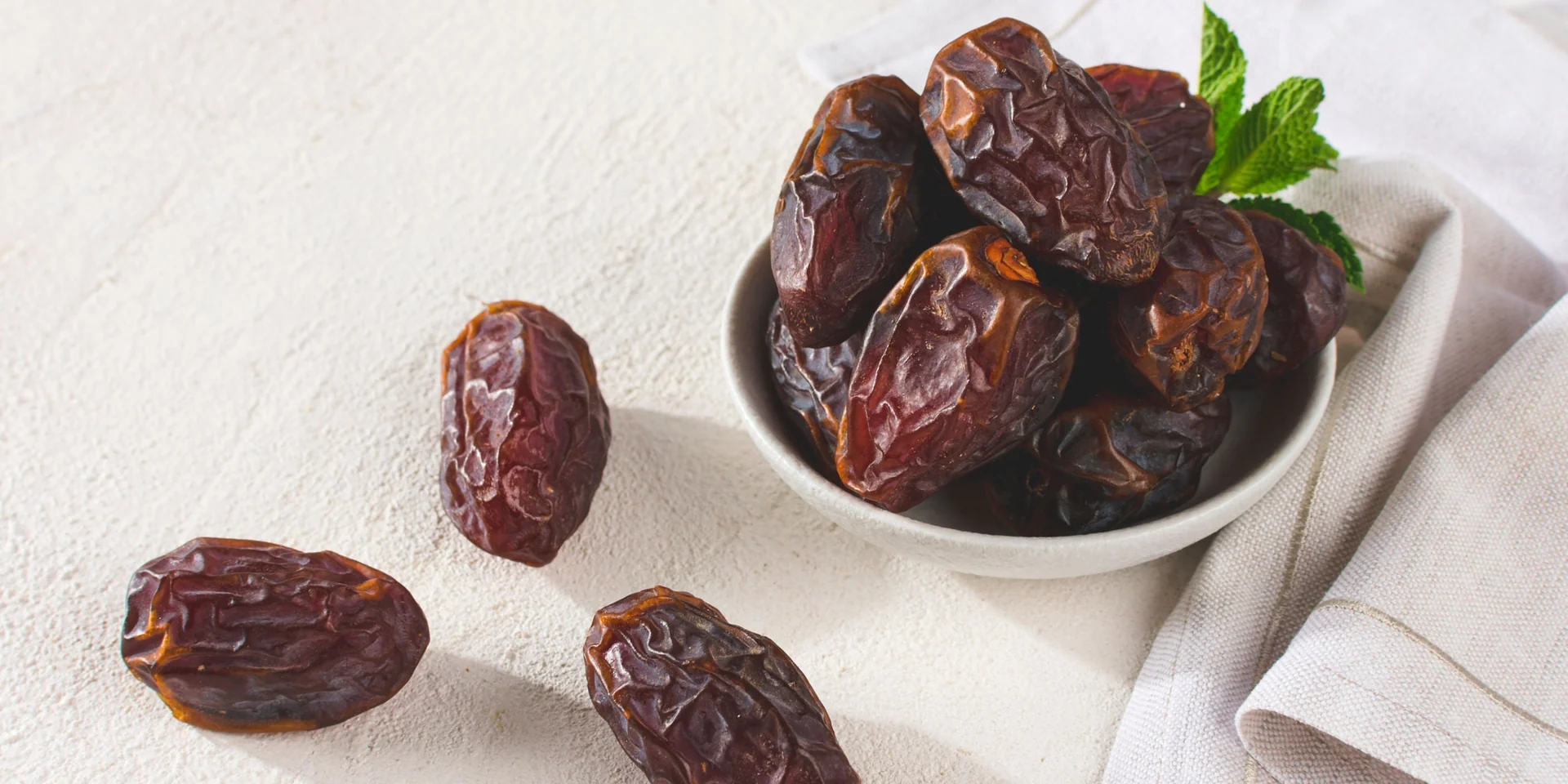
Some dates are soft and juicy, while others have a firmer or slightly chewy texture. Certain varieties have a deep caramel like sweetness, whereas others offer a lighter flavor with notes of honey, toffee, or dried fruit. Their appearance can also vary from golden brown to almost black.
Dates are commonly eaten as a snack, added to desserts, blended into drinks, or used in traditional dishes. They are also popular during special occasions and religious gatherings in many cultures.
If you have ever wondered why one type of date tastes different from another, learning about the individual varieties can make your next purchase much easier. Here are seven popular types of dates and what makes each one special.
1. Medjool Dates
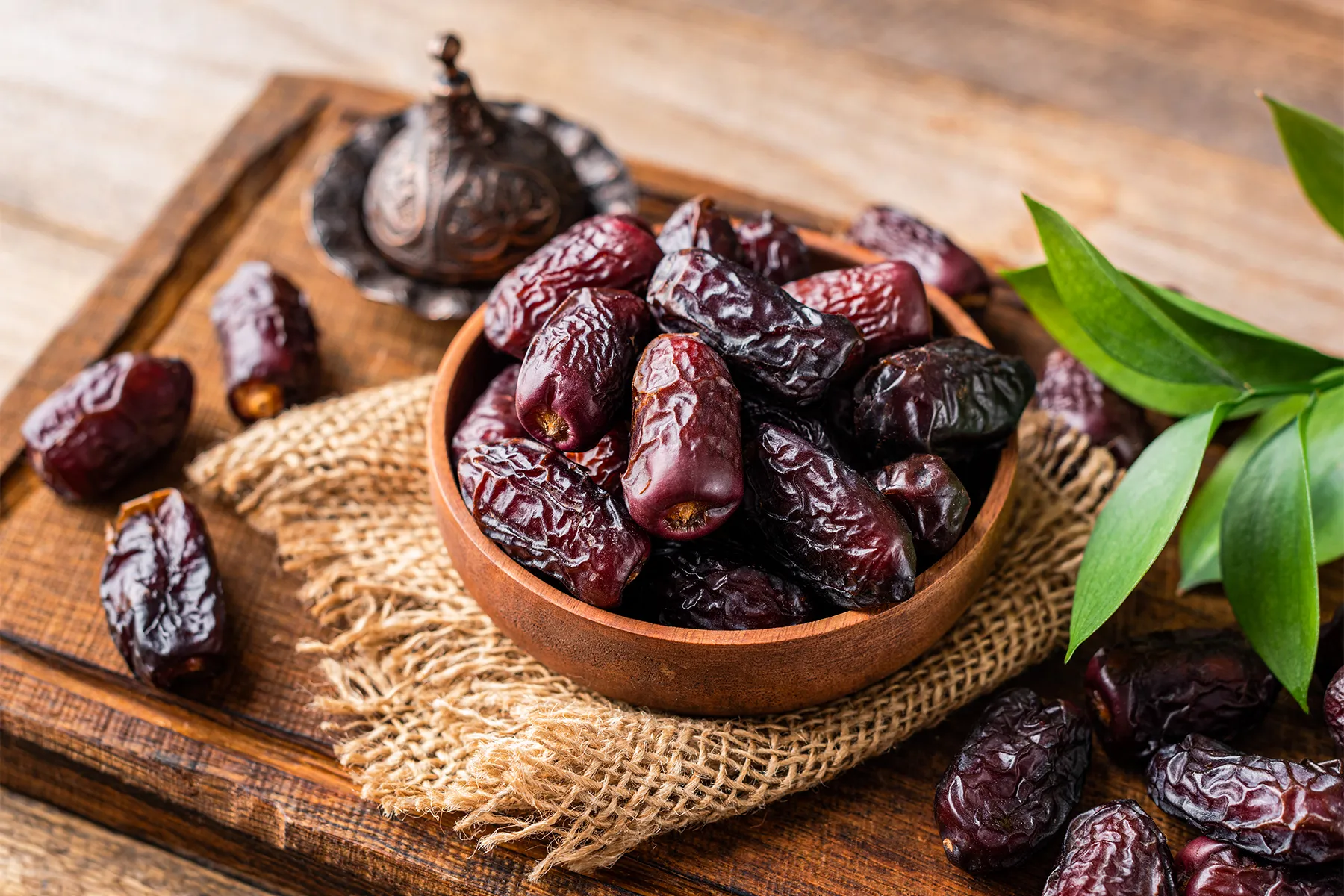
Medjool dates are among the best known varieties available today. They are often recognized by their large size, soft texture, and rich sweetness.
When fully ripe, Medjool dates can have a tender and almost creamy consistency. Their flavor is often described as caramel like, which makes them popular for snacking and desserts.
Because of their large size, one Medjool date can feel quite substantial compared with smaller varieties. They are often eaten on their own, stuffed with nuts, or blended into homemade energy snacks.
Medjool dates can also be chopped and added to oatmeal, yogurt, smoothies, and baked recipes. Their natural sweetness makes them useful when you want to add flavor without relying entirely on refined sugar.
2. Deglet Noor Dates
Deglet Noor is another widely recognized variety. Compared with Medjool dates, Deglet Noor dates are usually smaller and have a firmer, more delicate texture.
Their sweetness tends to be milder, making them versatile for both snacking and cooking. They often have a slightly nutty and honey like flavor.
Deglet Noor dates are frequently used in baking, salads, grain dishes, and savory recipes. Their firmer texture allows them to hold their shape well when chopped or cooked.
For people who find very soft dates too sweet or heavy, Deglet Noor can be an appealing alternative.
3. Ajwa Dates
Ajwa dates are particularly well known in the Middle East and South Asia and hold cultural and religious significance for many people. They are generally smaller than Medjool dates and have a dark color.
Their texture is soft but can be slightly chewy, while their flavor is often described as mildly sweet with a distinctive fruity character.
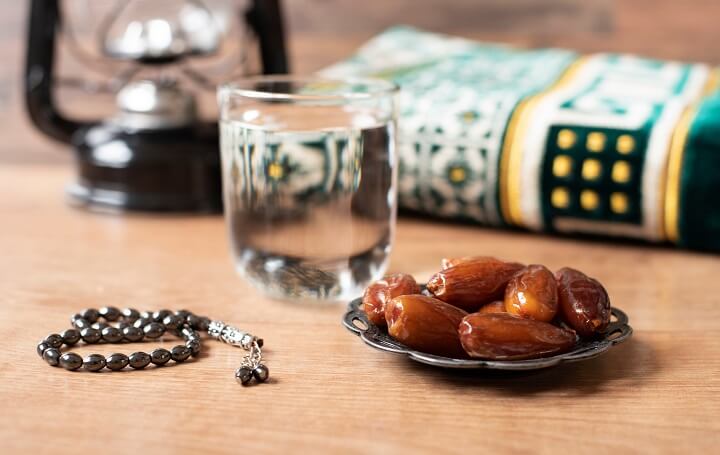
Ajwa dates are commonly enjoyed on their own and are also served during gatherings and special occasions.
Their popularity is not based only on taste. Their cultural importance has made them a particularly recognizable date variety among consumers who appreciate traditional foods.
4. Sukkari Dates
Sukkari dates are strongly associated with Saudi Arabia and are known for their naturally sweet flavor. The name is connected with sweetness, which gives a clue about their taste.
These dates can have a soft or slightly crunchy texture depending on their stage of ripeness and preparation. Their golden brown appearance can also make them visually different from darker varieties.
Sukkari dates are often eaten as a simple snack and can pair nicely with coffee or tea.
People who enjoy very sweet dates may find Sukkari particularly appealing because of their distinctive sugary taste and pleasant texture.
5. Barhi Dates
Barhi dates are interesting because they can be eaten at different stages of ripeness. When harvested earlier, they can be crisp and yellow with a texture that is quite different from the soft dates most people know.
As they mature, Barhi dates become softer and sweeter, eventually developing a richer flavor.
Their unusual texture and changing taste make them popular among people who enjoy trying different date varieties.
Fresh Barhi dates are often eaten as they are, allowing their natural flavor and texture to stand out without additional ingredients.
6. Khudri Dates
Khudri dates are another popular variety known for their dark brown appearance and chewy texture. They are generally moderately sweet and can have a slightly dry exterior while remaining pleasantly soft inside.
One advantage of Khudri dates is their versatility. They can be eaten as snacks or incorporated into recipes where a chewy texture is desirable.
Their balanced sweetness can make them suitable for people who do not want an extremely soft or intensely sweet date.
Khudri dates are also commonly available in dried form and can be stored for longer periods when properly packaged.
7. Safawi Dates
Safawi dates are usually dark in color and have a soft, chewy texture. They are known for their rich flavor and are popular in different Middle Eastern markets.
Their sweetness is noticeable but can feel less intensely sugary than some softer varieties. The combination of a chewy texture and deep flavor makes them suitable for everyday snacking.
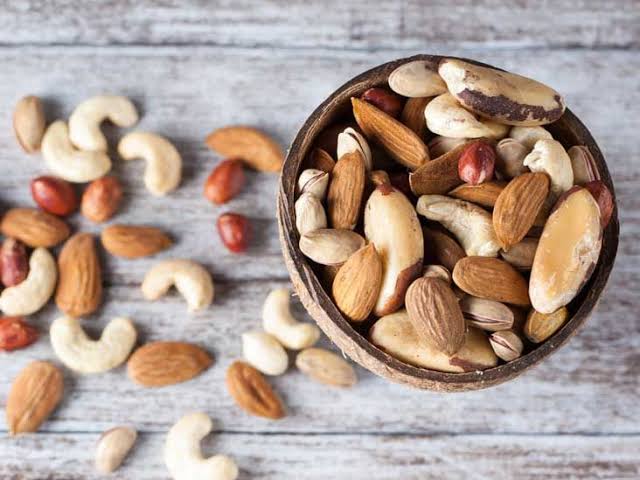
Safawi dates can also be served alongside nuts or included in homemade snack combinations.
Their dark appearance and tender texture make them relatively easy to distinguish from lighter varieties.
How These Date Varieties Differ
The biggest differences between date varieties usually involve size, texture, sweetness, color, and intended use.
Medjool dates are large, soft, and intensely sweet. Deglet Noor dates are smaller, firmer, and more subtle in flavor. Ajwa dates are smaller and dark with a distinctive taste and strong cultural significance.
Sukkari dates are particularly sweet, while Barhi dates are unusual because they can be enjoyed at different stages of ripeness. Khudri dates offer a chewy texture and moderate sweetness, while Safawi dates are dark, soft, and rich in flavor.
These differences mean that the best date depends on what you want from it.
Which Date Is Best for Snacking?
For a rich and satisfying snack, Medjool dates are a popular choice because of their large size and soft texture. Sukkari can be attractive to people who enjoy a particularly sweet flavor.
Those who prefer something smaller and more chewy may enjoy Ajwa, Khudri, or Safawi dates.
There is no universal winner because taste is highly personal. Trying several varieties is one of the easiest ways to discover your favorite.
Which Dates Are Good for Recipes?
The right choice can depend on the recipe.
Deglet Noor dates are useful in dishes where you want the pieces to retain some structure. Their firmer texture works well in salads, baked goods, and chopped snack mixes.
Medjool dates are excellent for blending because their soft texture makes them easy to turn into a smooth paste. This makes them popular in homemade energy balls, dessert bases, and naturally sweetened snacks.
Khudri and Safawi dates can also work well in recipes where a chewy dried fruit texture is desirable.
How to Choose Quality Dates
When purchasing dates, look for products that appear clean and properly packaged. The texture should generally match the characteristics of the variety.
Extremely dry dates are not necessarily poor quality, as some varieties naturally have a firmer texture. However, unexpected moisture, mold, unusual fermentation smells, or other signs of spoilage should be treated as warning signs.
If buying packaged dates, checking the label and storage instructions can also be helpful.
Are All Dates Equally Sweet?
No. The sweetness level can vary considerably between varieties and even between individual batches.
Medjool and Sukkari dates are often favored by people who enjoy strong natural sweetness. Deglet Noor generally offers a milder taste, while other varieties fall somewhere between these extremes.
Ripeness and storage can also influence texture and flavor.
This is why comparing dates based only on their appearance can be misleading. The same dark color does not necessarily mean two varieties will taste alike.
Final Thoughts
Dates may look similar at first glance, but different varieties offer their own unique combination of sweetness, texture, color, and flavor. Medjool dates are large and soft, Deglet Noor is firmer and more delicate, Ajwa is dark and culturally significant, and Sukkari is known for its pronounced sweetness.
Barhi stands out because of its changing texture as it ripens, while Khudri and Safawi offer chewy and flavorful alternatives.
The best way to find your favorite is to try several varieties and compare them for yourself. Whether you prefer a soft caramel like date or a firmer and less sweet option, there is likely a variety that matches your taste.
Dates can be enjoyed alone, paired with nuts, added to breakfast dishes, or used in homemade recipes. With so many varieties available, exploring different types can turn an ordinary snack into a much more interesting experience.