
When it comes to healthy snacking, almonds, cashews, and walnuts are three of the most popular choices. Each one has its own taste, texture, nutritional qualities, and potential health advantages. Because all three belong to the nut family, they are often placed in the same category, but their nutritional profiles are not exactly the same.
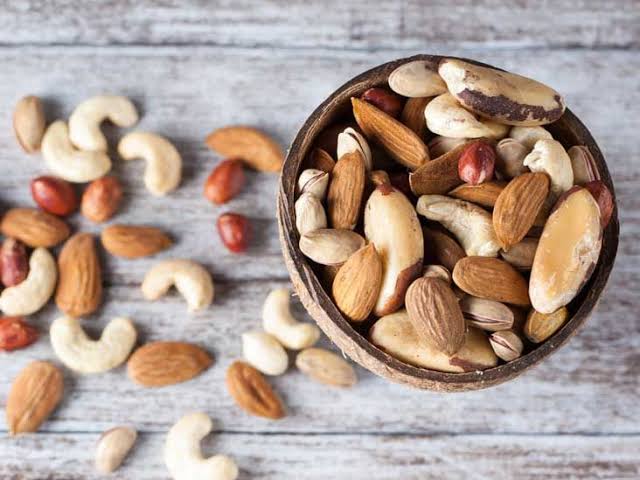
Choosing between almonds, cashews, and walnuts depends largely on what you want from your diet. Someone looking for vitamin E may prefer almonds, while a person interested in plant based omega 3 fats may find walnuts more appealing. Cashews can be an attractive option for people who enjoy a creamy texture and want to add minerals such as copper and magnesium to their meals.
There is no single nut that is perfect for everyone. The better choice depends on your nutritional needs, eating habits, taste preferences, and portion size. Understanding the differences can help you decide which one deserves a regular place in your diet.
Almonds and Their Nutritional Advantages
Almonds are widely enjoyed because they have a mild flavor and crunchy texture. They can be eaten on their own, mixed into breakfast foods, or used in homemade recipes.
One of their notable nutritional features is vitamin E. This vitamin acts as an antioxidant and contributes to the protection of cells from oxidative stress. Almonds also provide magnesium, fiber, protein, and unsaturated fats.
The combination of fiber, protein, and fat can make almonds a satisfying snack. Instead of reaching for highly processed foods when hunger appears, a small serving of almonds can provide useful nutrients while helping you feel full.
Almonds are also easy to carry and store, which makes them practical for work, school, travel, or outdoor activities. They can be added to oatmeal, yogurt, salads, smoothies, and many other dishes.
Why Cashews Are Worth Considering
Cashews have a softer and creamier texture than almonds, making them popular in both sweet and savory foods. They are commonly used in snacks, desserts, sauces, and plant based recipes.
Cashews provide several important nutrients, including copper, magnesium, phosphorus, and manganese. Copper is involved in various normal body processes, while magnesium contributes to normal muscle and nerve function.
Another advantage of cashews is their versatility. They can be blended into creamy sauces, chopped into stir fried dishes, or simply eaten as a snack.
Although cashews contain healthy unsaturated fats, they are still energy dense. Eating a moderate serving is therefore a better approach than consuming large quantities without paying attention to portion size.
The Unique Qualities of Walnuts
Walnuts stand out from many other nuts because of their fatty acid profile. They contain alpha linolenic acid, commonly known as ALA, which is a plant based omega 3 fatty acid.
Omega 3 fats are associated with several important functions in the body. Walnuts also contain protein, fiber, magnesium, copper, and various plant compounds.
Their slightly earthy flavor makes them especially good in salads, oatmeal, yogurt, baked dishes, and homemade snacks. They can also be eaten alone when you want something filling between meals.
People who want to include more plant based sources of omega 3 fats may find walnuts particularly useful.
Which One Has More Protein?
All three nuts provide protein, although the exact amount depends on the serving size and product.
Almonds are often considered a strong choice for people looking for a protein rich nut. Cashews also contribute protein, while walnuts provide protein alongside their distinctive healthy fat profile.
However, none of these nuts should be viewed as a complete replacement for major protein sources such as beans, lentils, eggs, dairy products, fish, or other protein rich foods.
If your main goal is simply to add some protein to a snack, any of these nuts can contribute to your daily intake.
Which Nut Is Better for Heart Friendly Eating?
Almonds, cashews, and walnuts can all fit into a heart conscious eating pattern because they contain predominantly unsaturated fats.
Walnuts have a special advantage because they provide ALA, a plant based omega 3 fatty acid. Almonds also offer valuable nutrients such as vitamin E and magnesium. Cashews provide unsaturated fats along with several minerals.
The important point is how these nuts are incorporated into the overall diet. Replacing highly processed snacks with moderate portions of plain nuts can be a sensible dietary habit.
Choosing unsalted varieties can also help people who are trying to reduce their sodium intake.
Which Is Better for Digestion?
Fiber is important for normal digestive function, and nuts can contribute to daily fiber intake.
Almonds are a particularly useful source of fiber compared with many common snack foods. Walnuts and cashews also contain fiber, although the amount varies.
Fiber supports regular bowel movements and can contribute to a healthy gut environment. When increasing fiber rich foods, drinking enough water is also important.
Nuts alone cannot solve digestive problems, but including them alongside vegetables, fruits, whole grains, legumes, and sufficient fluids can support a fiber rich eating pattern.
Almonds vs Cashews vs Walnuts for Weight Management
This comparison can be confusing because nuts are nutritious but also relatively high in calories. Their energy density means that portion control matters.
Almonds can be satisfying because they provide protein, fiber, and fats. Walnuts can also be filling because of their combination of fat, fiber, and protein. Cashews offer similar benefits and can be particularly satisfying because of their rich texture.
The best option for weight management is often the one that helps you control your appetite without encouraging excessive snacking.
Instead of eating directly from a large package, prepare a small portion in advance. This simple habit can make it easier to enjoy nuts without unintentionally eating too much.
Which Nut Contains More Antioxidants?
Nuts contain a variety of naturally occurring plant compounds with antioxidant properties.
Almonds are especially recognized for their vitamin E content, which contributes antioxidant activity. Walnuts contain several plant compounds as well as their omega 3 fatty acid content. Cashews also contain beneficial plant compounds and minerals.
Rather than focusing on one specific antioxidant, it can be more useful to eat a varied diet that includes different nuts, seeds, vegetables, fruits, and whole grains.
Variety allows you to obtain different nutrients from different foods.
Which One Is Best for Everyday Snacking?
If you want something crunchy and mildly sweet, almonds can be a great everyday option. Their firm texture makes them easy to portion and carry.
If you prefer a softer and richer nut, cashews may be more appealing. They work particularly well in cooked dishes and creamy recipes.
If you are interested in increasing your intake of plant based omega 3 fats, walnuts have an important advantage.
There is also no rule saying that you must choose only one. A small mixture of almonds, cashews, and walnuts can provide a broader combination of nutrients and flavors.
How Should You Eat These Nuts?
The healthiest way to enjoy nuts is generally to choose plain or minimally processed varieties. Raw or dry roasted options without excessive salt, sugar, or added coatings can be convenient choices.
You can add almonds to breakfast cereal, sprinkle walnuts over yogurt, or use cashews in homemade meals. Combining different nuts with fresh fruit can also create a simple and nutritious snack.
Avoid treating flavored or heavily coated nuts as equivalent to plain nuts. Products covered in sugar, excessive salt, or sweet coatings may contain additional ingredients that change their nutritional value.
So Which Dry Fruit Is Better?
The answer depends on your personal goal.
Almonds may be the better choice if you want a nut that provides plenty of vitamin E, fiber, magnesium, and protein.
Cashews can be a strong option if you enjoy a creamy texture and want to include nutrients such as copper and magnesium in your diet.
Walnuts may stand out if your priority is getting a plant based source of ALA omega 3 fatty acids.
From an overall health perspective, however, you do not necessarily need to declare one winner. All three can be valuable parts of a balanced diet when eaten in sensible portions.
Final Verdict
Almonds, cashews, and walnuts each bring something different to the table. Almonds are particularly attractive for their vitamin E and fiber content. Cashews offer a range of minerals and a naturally creamy texture, while walnuts are notable for their plant based omega 3 fatty acid content.
Instead of asking which nut is universally the best, it may be more useful to ask which one fits your nutritional needs and lifestyle.
For a varied diet, rotating between all three is an excellent approach. Enjoy them in moderate portions, choose options with minimal added salt or sugar, and combine them with other nutritious foods.
The real winner is not necessarily one specific nut. It is a balanced eating pattern that includes a variety of wholesome foods and makes room for nutrient rich choices such as almonds, cashews, and walnuts.